Punjab is in the northwest and is bordered to the east by Himachal Pradesh, southeast and south by Haryana, to the west is the Pakistani province of Punjab, and to the southwest is Rajasthan. The north is bounded by Jammu and Kashmir the Indian state.
The term Punjab represents the combination of two words: "Punj" denotes five and "ab" is water, thus it represents ‘the land of five rivers.’ Historically, this region has been the Indian Subcontinent gateway for most foreign invaders.
Agriculture in Punjab is the largest industry. The other major industries are the manufacturing of agricultural goods, scientific instruments, electrical goods, machine tools, sports goods, fertilizers, financial services, textiles, sewing machines, bicycles, starch, tourism, garments, and sugar and pine oil processing. Punjab has steel rolling mill plants the largest number in India, and they are in Mandi Gobindgarh, located in "Steel Town", which is the Fatehgarh Sahib district.
The Beas and Sutlej are within Punjab’s territory, and Ravi flows along its western border. It covers an area of 19,445 square miles. Though agriculture is the main for the economy, other industries are adding to the state revenue.
Punjab has shown considerable economic progress after Independence. The contribution of food grains is nearly two-thirds of food grain's total production and milk production is one-third in the country. The Green revolution initiative is taken by the people seriously in this state and now their per capita is twice the national average.
Punjab has the best infrastructure; and it includes rail, road, air, and river transport extensive throughout the region. This state has the lowest poverty rate and has won the performance award.
Most Profitable Manufacturing Industry for Punjab, India
- Bidegradable Cups & Plate From Sugarcane Bagasse
- Beer Unit
- Fruit Juices In Tetrapack
- Hospitals Disposable Products
- IMFL Bottling Plant
- Lithium Ferro Phosphate Battery For E-Vehicle And Solar Street Lights
- Marriage Hall
- Namkeen Unit (Kurkure Type)
- Potato Powder
- PVC Edge Banding Plant
- Soy Milk & Paneer
- Spice Manufacturing Unit
- Aac Block Manufacturing Unit
- Algae Biodiesel
- Adhesives Manufacturing Unit
- Aluminium Composite Panel
- Ayurveda Medicines
- Board Sheet From Wheat Straw
- Bidegradable Cups & Plate From Sugarcane Bagasse
- Bio Organic Fertilizer
- Bricks From Flyash
- Bakery Unit
- Bio-Cng
- Bio Processing
- Brushless Dc Hub Motor Used In Electric Vehicle
- Beer Unit
- Cement Unit
- Cotton Seed Cake Unit
- Copper Wire
- Corn Starch Unit
- Confectionery Unit
- Caustic Chlorine
- Denim Fabrics Production
- Door Hinges
- Diaper Manufacturing Unit
- Dairy Farming
- Electric Two Wheeler
- Eva Sheet
- Electric Switch
- Egg Powder
- Fruit Juices In Tetrapack
- Gulabjamun Manufacturing Unit
- Groundnut Oil Production
- Goat And Sheep Meat Processing Unit
- Home Cleaning Products Manufacturing Unit
- Hospitals Disposable Products
- Helmet Manufacturing Unit
- Instant Noodles Manufacturing Unit
- Imfl Bottling Plant
- Laundry & Dry Cleaning Unit
- Lithium Ion Battery Assembly
- Lithium Ferro Phosphate Battery For E-Vehicle And Solar Street Lights
- Liquid Calcium & Minerals, Vitamin Mixture Plant For Cattles
- Leather Processing
- Marriage Hall
- Meat & Chicken Processing
- Menthol Crystal (Flakes & Bold)
- Namkeen Unit (Kurkure Type)
- Nickel Sulphate
- Npk Fertilizer
- Old Age Home
- Potato Powder
- Pet Bottle Recyling Unit
- Precipitated Silice From Rice Husk Ash
- Petrochemical Unit
- Pre Form Manufacturing Unit
- Pvc Conduit Pipe
- Pasta Macaroni & Noodles
- Pan Masala Manufacturing Unit
- Perfume Agarbatti Unit
- Pvc Edge Banding Plant
- Polyurethane Foam
- Paper Bag Making Unit
- Ready Mix Mortar
- Rectified Spirit From Rice Straw
- Steel Tubular Pole
- Shoes Manufacturing Unit
- Soy Milk & Paneer
- Sulphur 80% And 90% Wdg
- Shrimp Farming
- Slicone Foam Manufacturing For Railway
- Spice Manufacturing Unit
- Textile Auxiliary & Chemicals
- Thinner & Solvents Manufacturing Unit
- Tile Adhesive Manufacturing Unit
- Vodka From Potato
- Welding Wire
List of the state schemes to start a new manufacturing unit
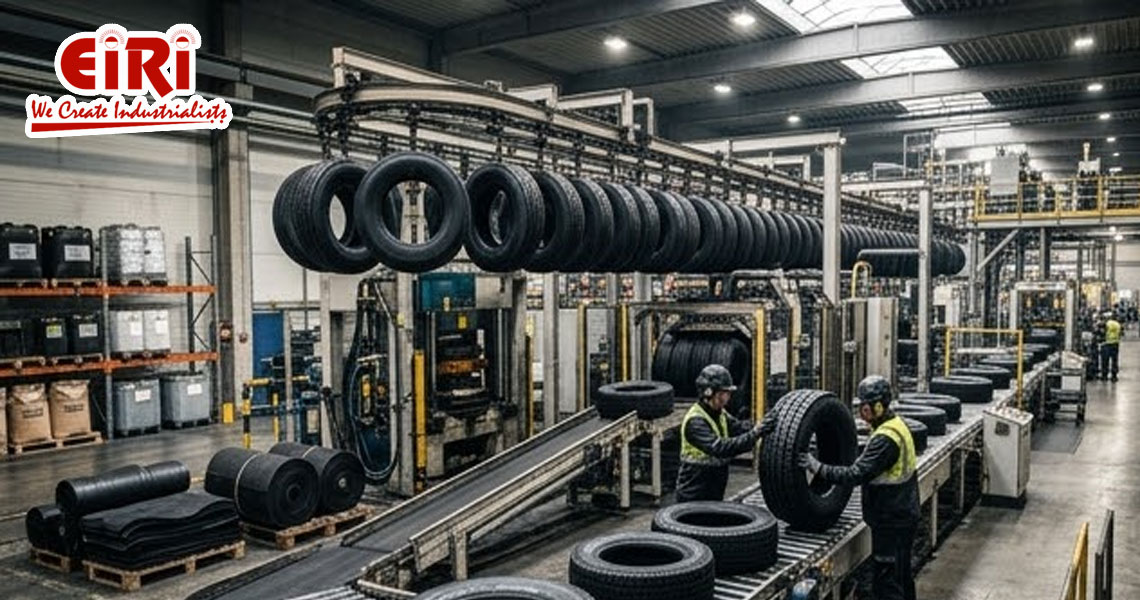
The manufacturing sector has notably expanded in the 20th century, especially construction. The industries producing wool, silk or other textiles, machinery and metal products, beverages and processed foods, furniture, and transport equipment, employ workers in large numbers. Thus the number of employed hands is increasing in numbers and the manufacturers include chemicals, leather goods, plastics, rubber, and hosiery.
Punjab is not sufficient to draw energy, it lacks fossil fuels. It draws energy from thermal plants using imported coal. The power is significant and the hydroelectric plants provide them to some extent using solar power stations.
Business Loan schemes by the state government
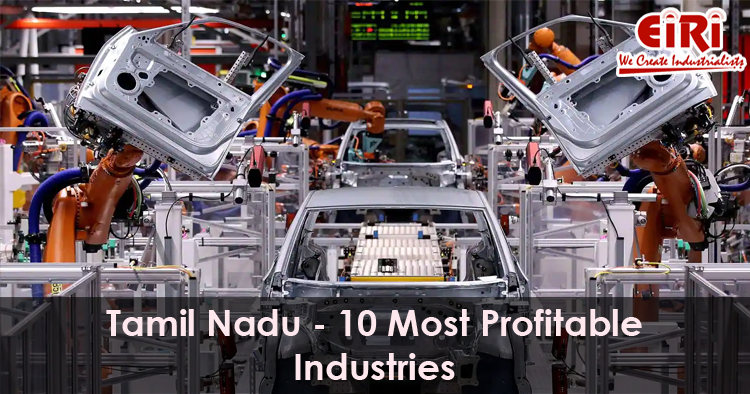
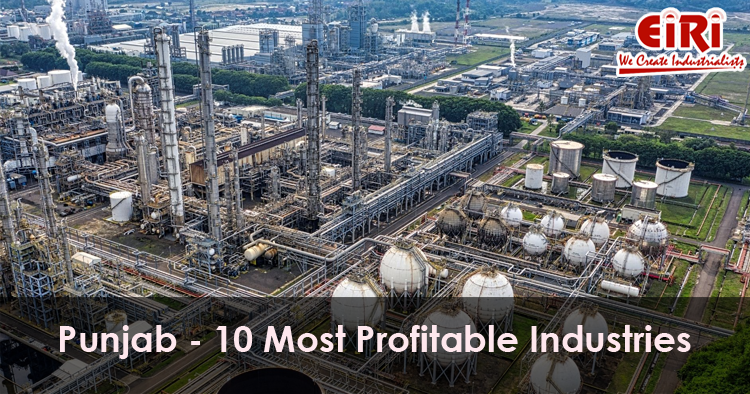
Punjab's major industries comprise tractors, food processing, agro-based parts, auto components, sports goods, bicycle parts and bicycles, alloys and metal, light engineering goods, IT, textiles, chemical products, and Pharmaceuticals.
The state uses a 4.2mn cultivable area in total constituting the near are as 3% sown. Punjab has the highest milk availability and is the 3rd largest rice and wheat producer in India. It contributes 10% and 16% respectively to the grain central pool. This state is also exceptional in producing hand tools, machines, and bicycle components, besides woolen and hosiery manufacturing. It ranks 2nd in a majority of the basic amenities such as clean drinking water, clean energy, perfect nutrition, sanitation, and digital access and housing.